Ciso Tool
Ciso Tool
Ciso Tool
The global watch market demands uncompromising visual clarity, impact resilience, and long-term durability from its structural watch crystal interfaces. Finding a premier China wholesale watch glass factory requires assessing material technology, coating mastery, dimensional tolerances, and bulk distribution structures. Whether you are engineering specialized luxury automatic chronographs, ruggedized smartwatch displays, or high-volume fashion wristwear, the crystal acts as both a protective barrier and an optical window. Its material purity and manufacturing quality directly dictate the premium value of the finished timepiece.
As micro-optical and precision glass machining technologies evolve, Chinese factories have transitioned from basic glass-cutting shops into high-tech manufacturing ecosystems. Operating at the intersection of precision engineering and scale economics, suppliers in industrial hubs like Dongguan utilize advanced CNC processes, multi-axis automated polishing, and physical vapor deposition (PVD) coating chambers. This vertical integration allows modern facilities to supply high-end watch crystals that rival European optical standards at competitive wholesale costs.
Dongguan Ciso Tool Co., Ltd. was founded in 2006 and is a professional manufacturer specializing in the research, development, and production of mid-to-high-end precision watch components and complete watch solutions. Formerly operating under an earlier corporate structure, the company has grown into a modern manufacturing enterprise with strong integrated capabilities across design, engineering, and precision production.
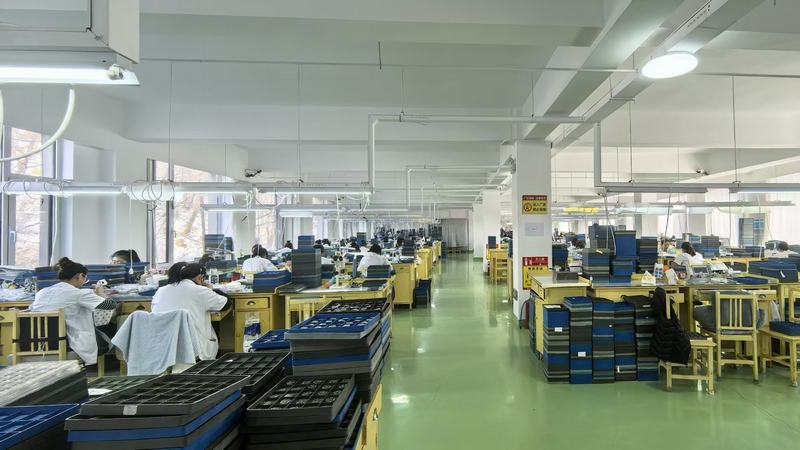
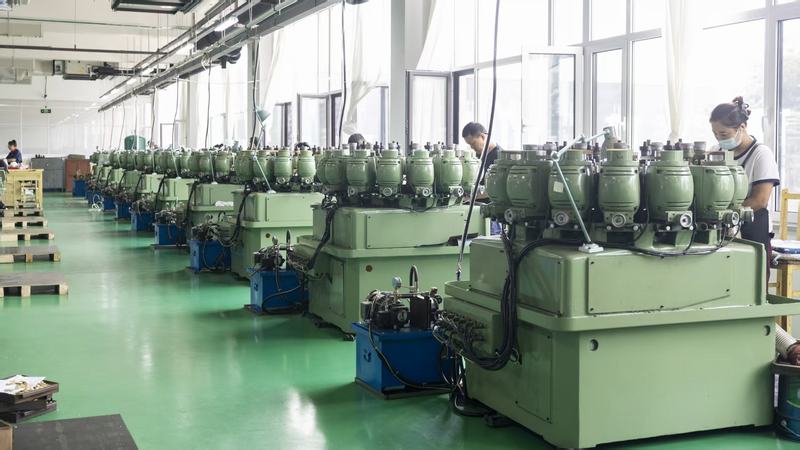
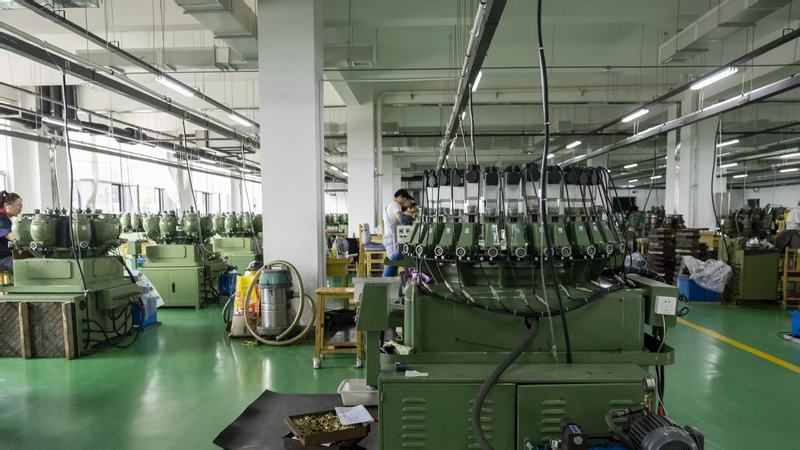
The company operates an independent industrial facility covering over 20,000 square meters and employs more than 500 skilled staff members, including a dedicated R&D team of over 60 professionals. With advanced production equipment, strict quality control systems, and experienced technical personnel, Ciso is committed to delivering high-precision, high-consistency products for global watch brands.
Ciso focuses on the R&D and manufacturing of premium watch accessories, including watch dials, watch cases, watch straps, watch buckles, and precious metal components such as 18K gold watch parts and fine jewelry accessories. In addition, the company provides full ODM and OEM services, supporting complete watch customization from concept design and prototyping to mass production and assembly.
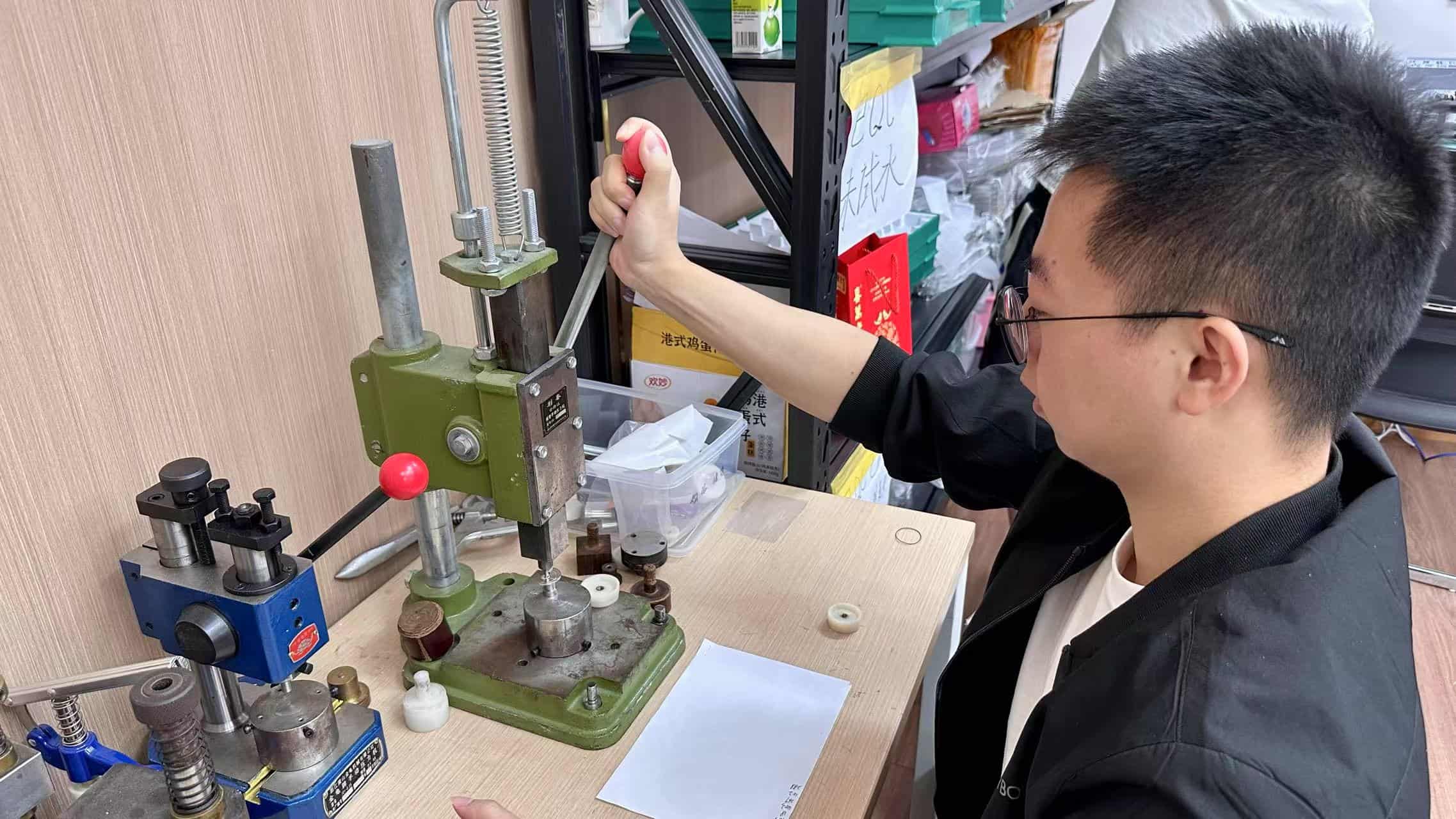
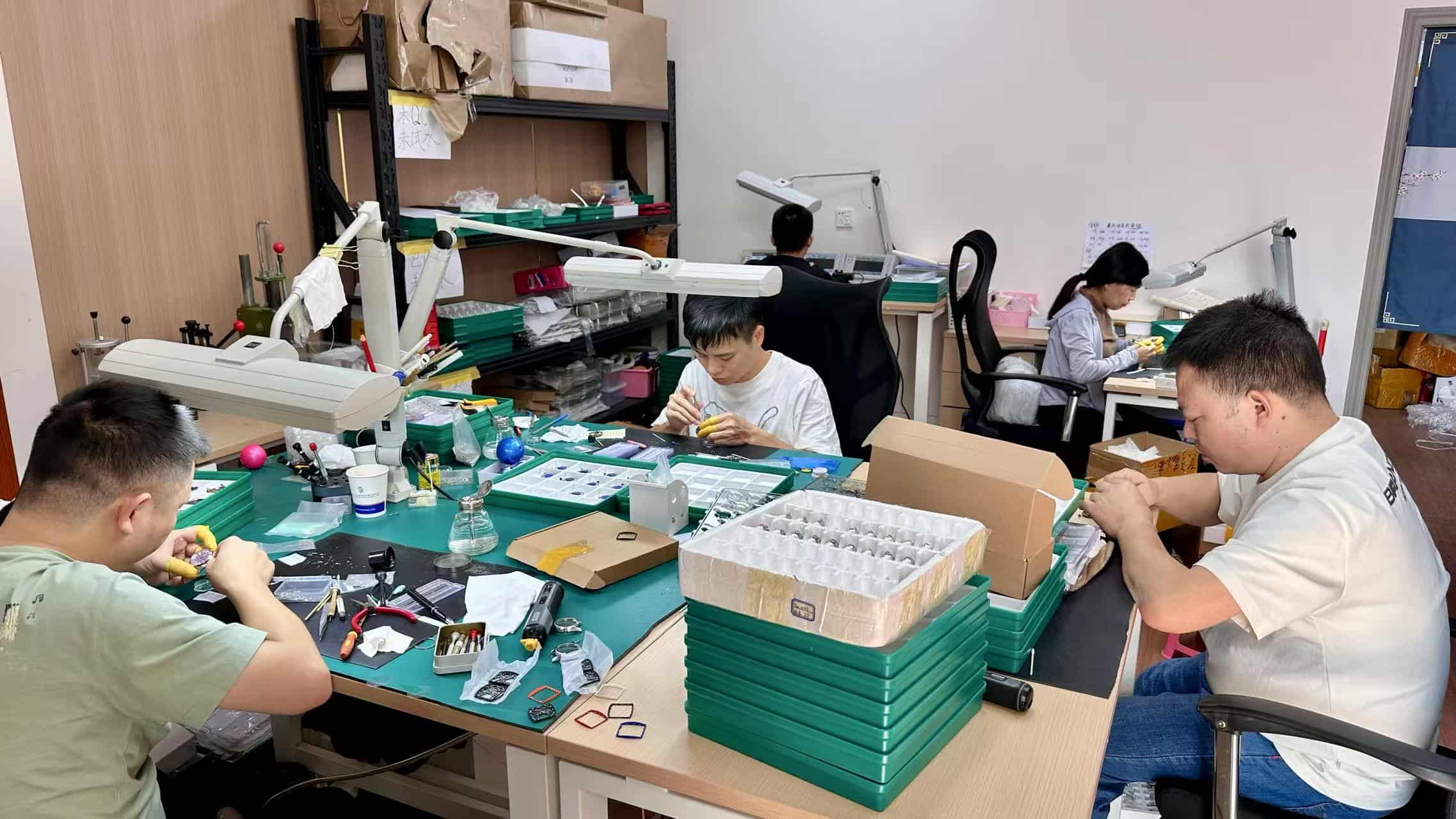
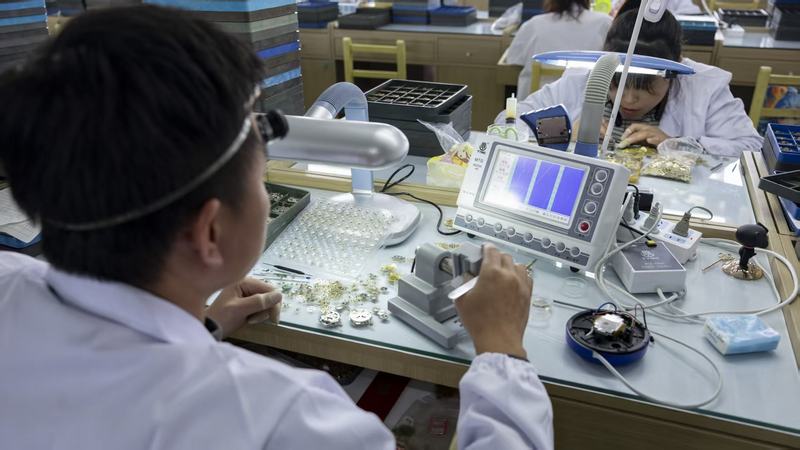
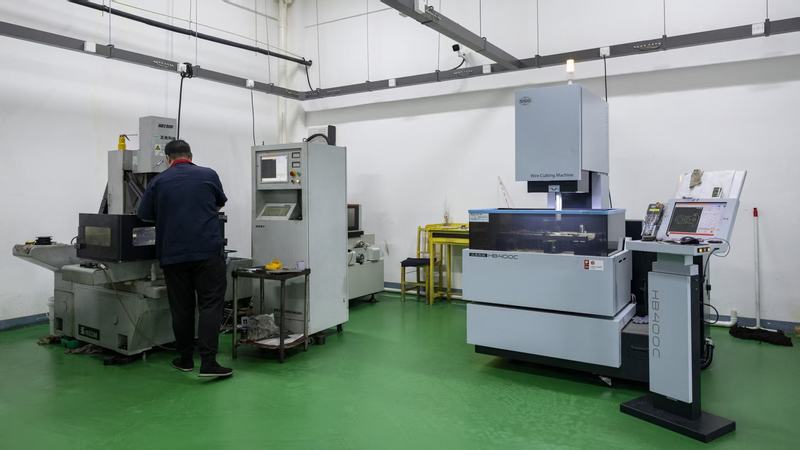
Ciso's engineering strength lies in its vertical manufacturing workflow. By housing tooling, CNC milling, medium wire cutting, custom surface plating, and high-tolerance cleanroom assembly in a unified facility, the brand guarantees parts compatibility, material traceability, and minimal batch deviations.
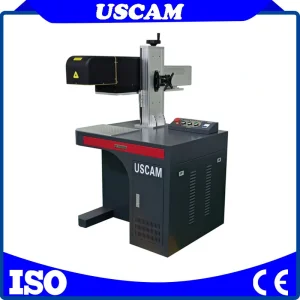
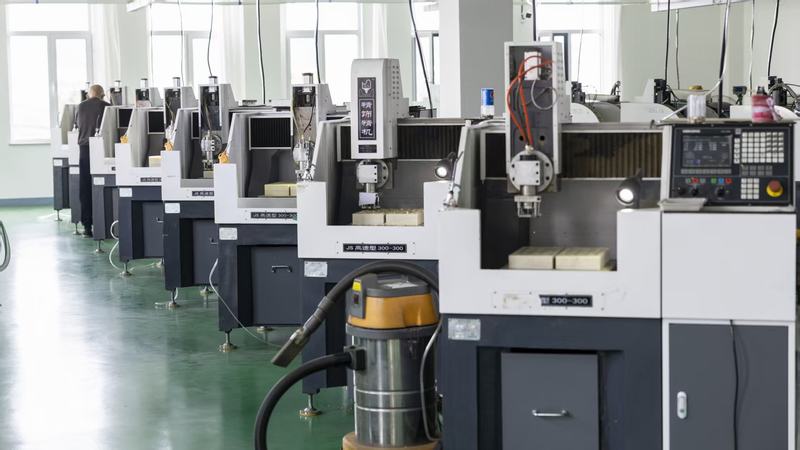
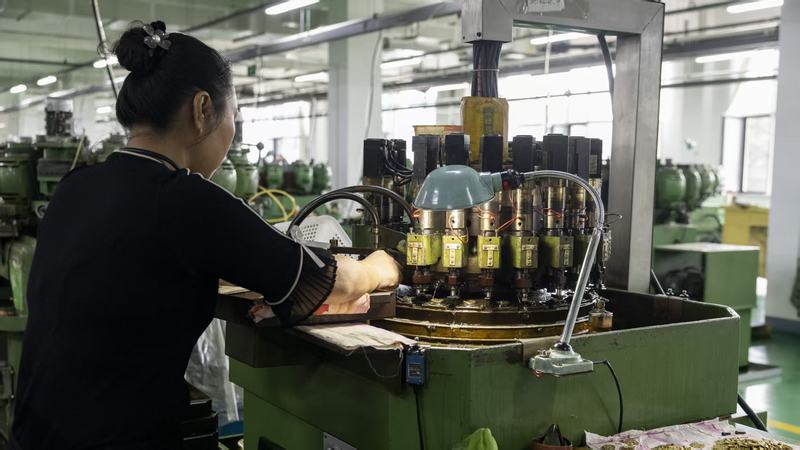
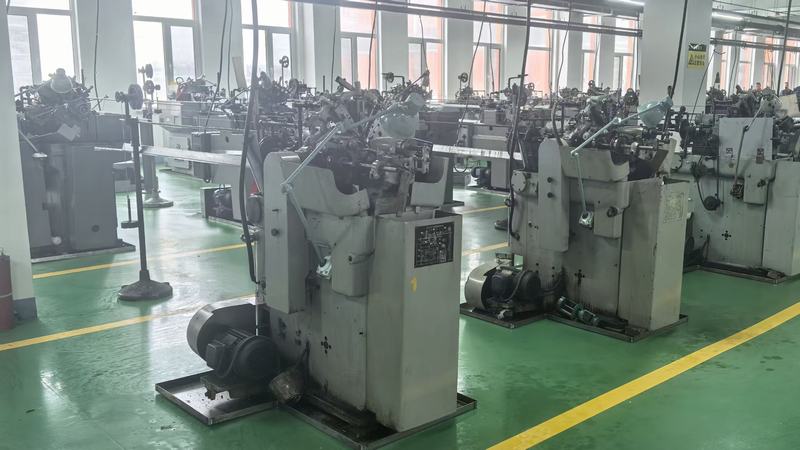
Quality watch components require reliable precision machinery. Dongguan Ciso Tool Co., Ltd. operates a range of advanced multi-station milling, tapping, and high-speed CNC systems. These systems maintain strict axial alignments and surface finish requirements, ensuring consistent quality for global watch brands.
Sourcing managers must balance cost, durability, and aesthetics when choosing watch glass materials. The three primary choices are acrylic (PMMA), mineral glass, and synthetic sapphire crystal. Each serves a specific purpose in watch production:
Formed by crystallizing pure aluminum oxide (Al₂O₃) at temperatures exceeding 2000°C, synthetic sapphire registers 9 on the Mohs hardness scale. It is highly scratch-resistant, second only to diamond. Its crystalline structure provides clear dial visibility and structural strength under high pressure. Sapphire's refraction index requires high-quality multi-layer anti-reflective (AR) coatings to prevent glare.
Made from silica-based formulations, standard mineral glass scores 5 to 6 on the Mohs scale. Chemical tempering through ion exchange, or thermal tempering, increases its structural strength and impact resistance. Often branded as Hardlex or K1, hardened mineral glass is more impact-resistant than sapphire and more scratch-resistant than acrylic, making it a solid choice for mid-tier outdoor and fashion timepieces.
Polymethyl methacrylate (PMMA) is a lightweight, shatterproof option. It scores 3 to 4 on the Mohs scale, which means it scratches easily, but minor marks can be buffed out using mild abrasive compounds. It is commonly used for retro-heritage reissues due to its vintage dome profile and warm light refraction, and it remains popular for timepieces that prioritize impact resistance over scratch resistance.
Manufacturing watch glass requires precise control over dimensions and surface finishes. Domed and double-domed configurations require careful grinding to prevent lens-like optical distortion. In double-domed crystals, the inner and outer curves must match to ensure clear, undistorted viewing of the dial from any angle.
Modern watch glass does more than protect the dial; it helps control light. Without treatments, mineral and sapphire glass reflect light and can obscure the watch hands in bright conditions. High-volume China manufacturers use several optical treatments to improve readability:
Custom glass shaping requires high-precision machinery. Flat circular shapes are straightforward to produce, but complex geometries require advanced machining. Single-domed crystals (curved outer surface, flat inner surface) are common, while double-domed crystals (matching curved inner and outer surfaces) prevent optical distortion. More complex designs like cylindrical, rectangular, hexagonal, or faceted geometries require multi-axis CNC grinding and hand-polishing to achieve a blemish-free finish.
Sourcing watch parts involves navigating a complex network of component manufacturers. In hubs like Dongguan, factories, surface finish specialists, toolmakers, and logistics providers operate in close proximity. This geographic concentration speeds up prototyping and helps streamline production schedules.
A major challenge in watch assembly is ensuring parts from different suppliers fit together correctly. For instance, the tolerances between the watch case bevel, the rubber gasket, and the crystal edge must align perfectly to maintain water resistance. Purchasing these components from a single source, like Ciso, simplifies assembly, minimizes seal failures, and ensures matching surface finishes on metal components.
Chinese manufacturers have also improved their testing procedures to match international standards. Quality control facilities regularly perform thermal shock testing, high-pressure water submersion test runs (up to 100 ATM for professional diver models), and drop-ball impact tests. This comprehensive quality management helps ensure that bulk orders meet the structural requirements of global brands.
Guided by the principle of “Quality First, Integrity Supreme,” Ciso emphasizes excellence in every production process. The company implements rigorous quality assurance protocols, ensuring that each product meets international standards for durability, precision, and aesthetic refinement.
Through consistent quality and reliable service, Dongguan Ciso Tool Co., Ltd. has established long-term partnerships with well-known domestic brands and continues to expand its presence in global markets. The company is committed to honest cooperation, mutual growth, and long-term value creation with international watch brands, striving to elevate the artistry and innovation of modern watchmaking.