Ciso Tool
Industrial Whitepaper: The Precision Science of Watch Rod & Stem Engineering
A Technical Guide to Material Selection, Manufacturing Methodologies, and Global OEM/ODM Supply Chains for Watchmaking and Micromechanical Industries
The Critical Role of Precision Watch Rods & Stems
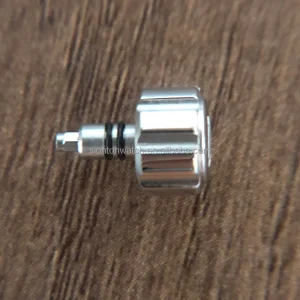
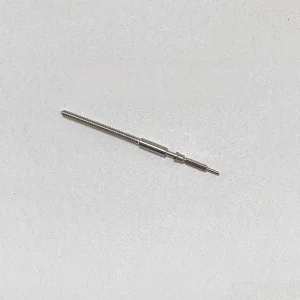
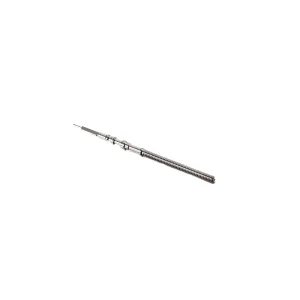
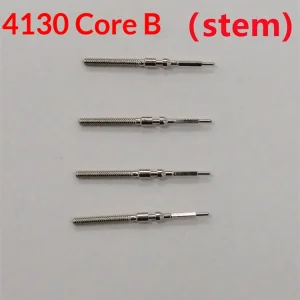
In modern micro-engineering and mechanical horology, the watch winding stem (commonly referred to in bulk manufacturing as the "watch rod") acts as the primary transmission interface between the human hand and the intricate internal movement. It must endure rotational friction, lateral shearing stresses, and corrosive sweat exposure while maintaining dimensional tolerances as tight as ±0.002 mm.
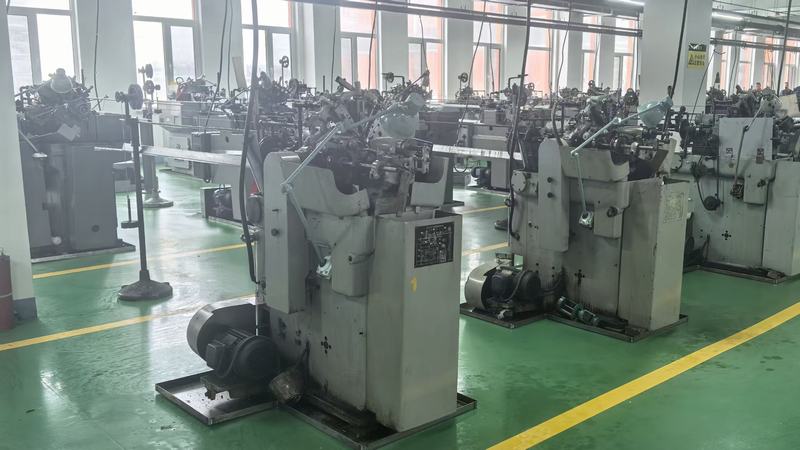
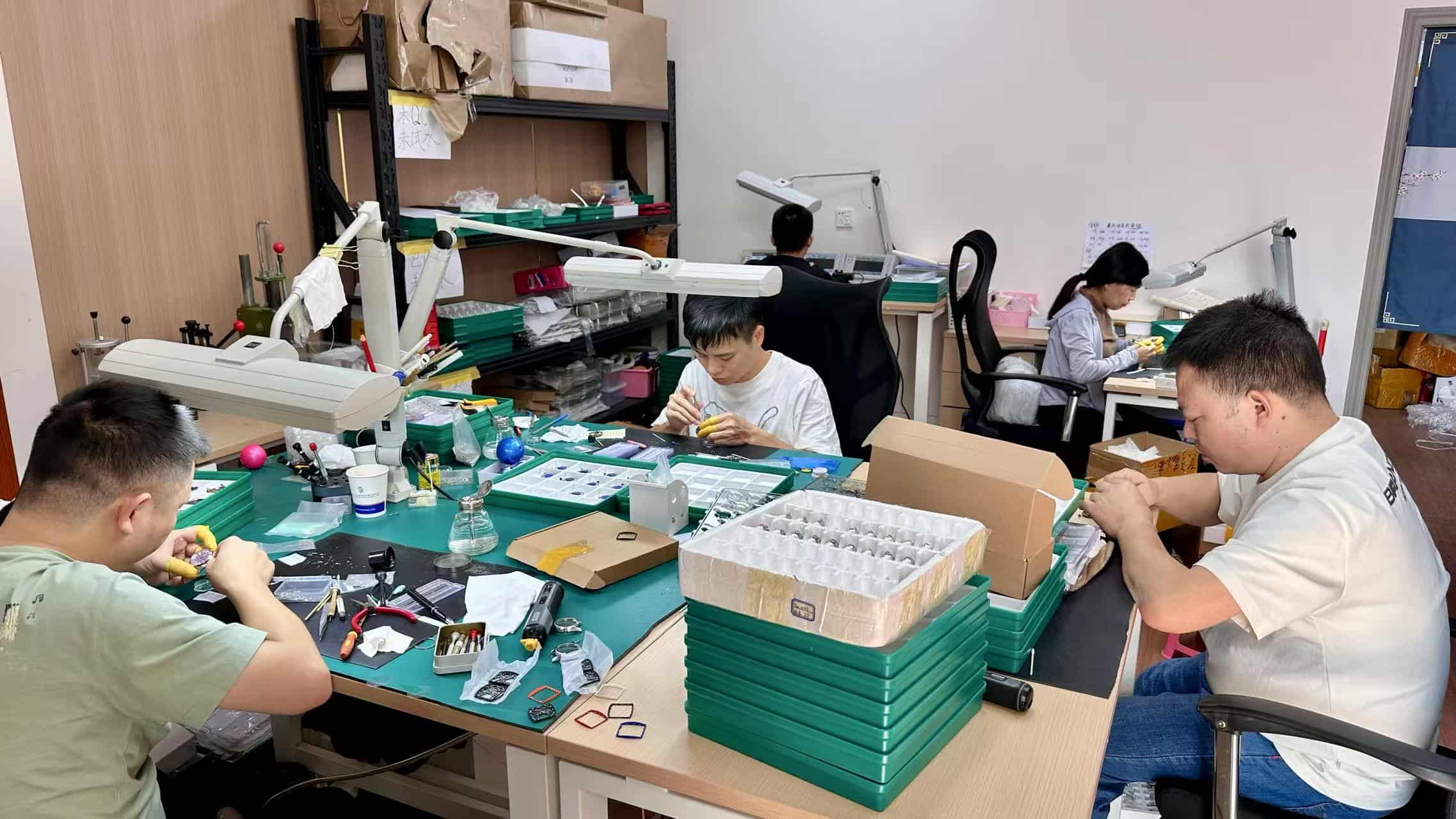
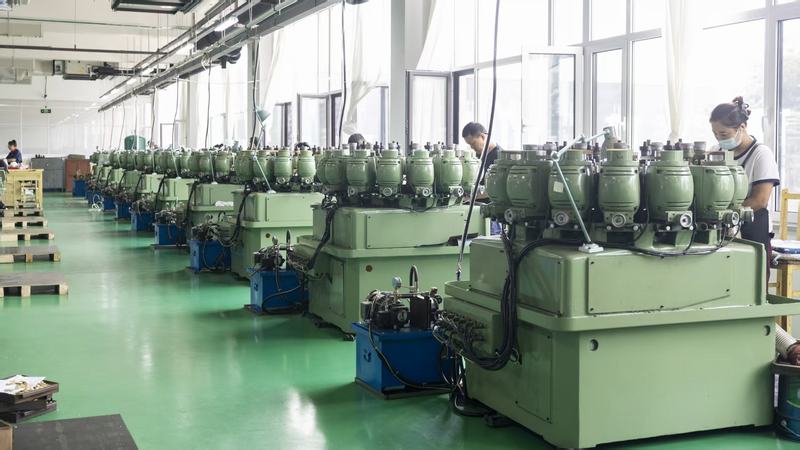
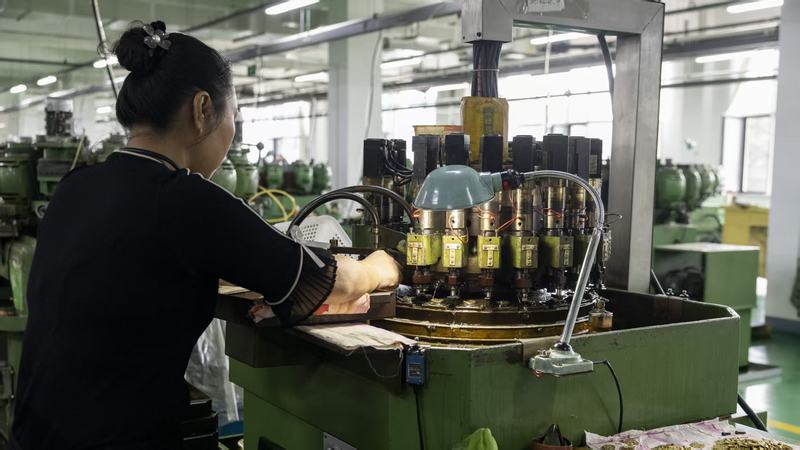
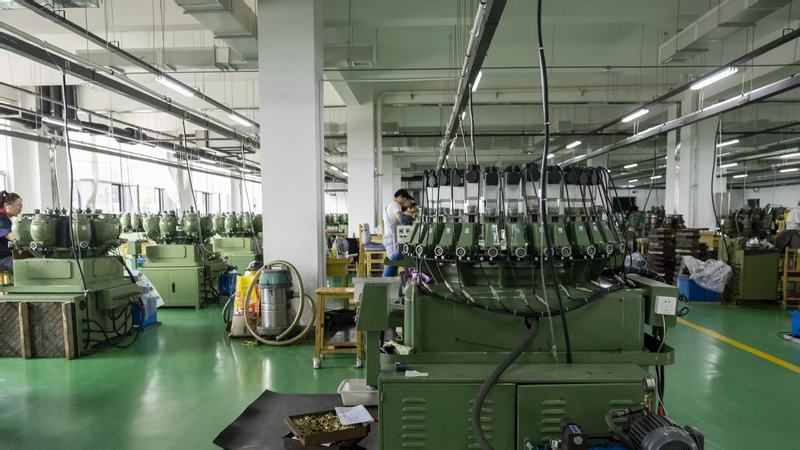
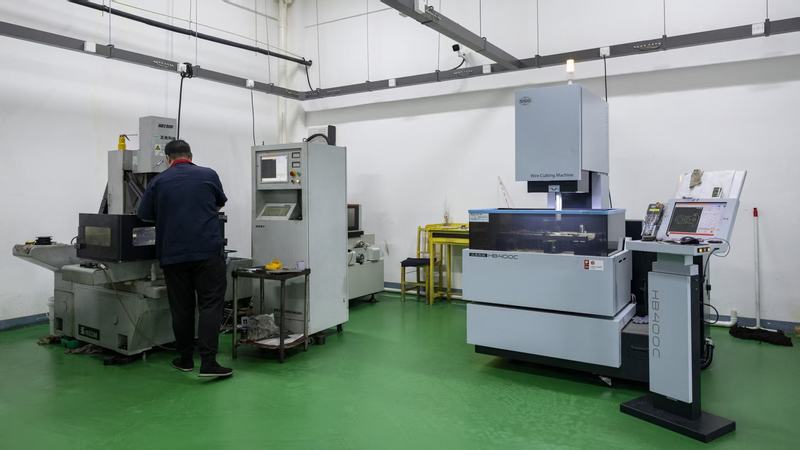
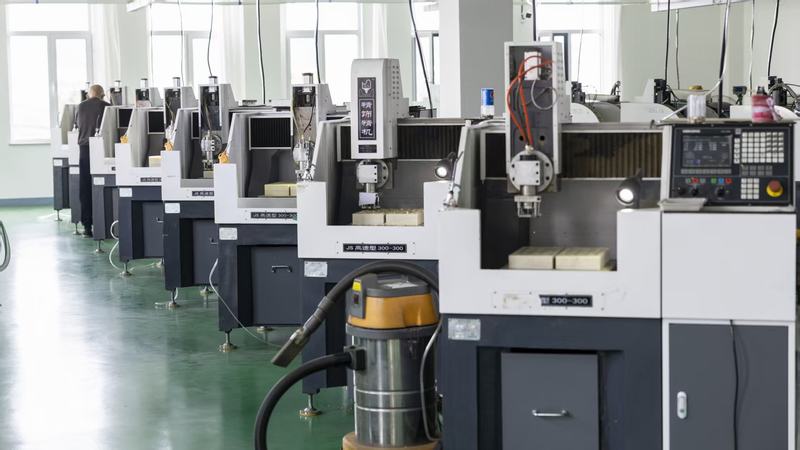
As a leading authority in precision metal parts, Dongguan Ciso Tool Co., Ltd. (founded in 2006) has spent over a decade perfecting the metallurgic chemistry and machining processes necessary to manufacture watch rods that exceed industry standards for calibers such as NH35, NH36, Miyota 9015, and luxury movements (3135, 4130, 1570).
This whitepaper details the structural requirements, technical roadmaps, manufacturing parameters, and supply chain mechanics that determine the quality of premium watch rod assemblies.
"A watch stem is not merely a steel pin; it is a high-fatigue micro-shaft that coordinates movement winding, time setting, and date correction. Any micro-defect or variance in torque tolerance will lead to critical movement failure."
1. Material Science and Metallurgy of High-Tier Watch Rods
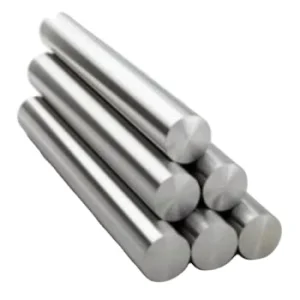
Selecting the optimal steel alloy is the foundation of high-performance watch stems and rod components. We employ distinct raw material tracks based on the application:
SUS316L / SUS304L
Known for exceptional corrosion resistance and bio-compatibility. Ideal for watch crowns, spring bars, and external rods exposed to sweat and humidity.
Hardened Carbon Steel
Often used for internal movement stems and pivots where hardness is paramount. Heat-treated to achieve a tempering hardness of HRC 58–62, resisting torsional wear.
Titanium Alloy (Gr. 5)
Leveraged for aerospace-grade custom orders and lightweight sports calibers. Combines low density with outstanding fatigue limits.
Under the strict quality directives of Ciso, all raw inputs undergo spectroscopic element analysis and mechanical testing prior to machining. This guarantees absolute compliance with international REACH and RoHS standards, protecting end consumers from heavy metal sensitivities.