Ciso Tool
Ciso Tool
Ciso Tool
Explore our high-demand OEM watch components, engineered for global compliance, long-term durability, and structural accuracy.
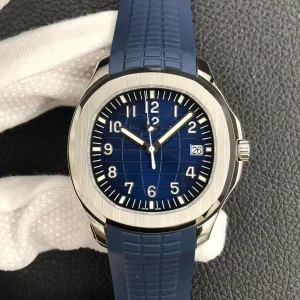
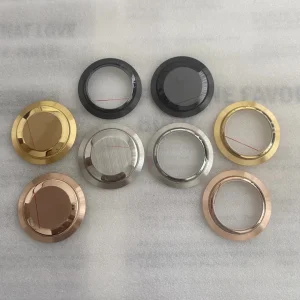
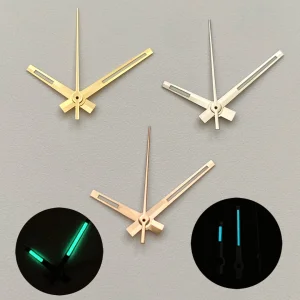
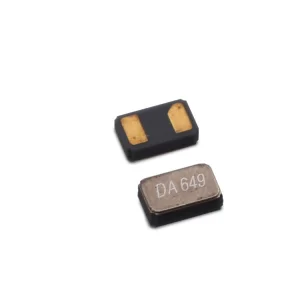
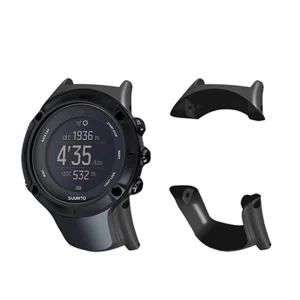
The watch dial face is the aesthetic center and visual identity of any timepiece. In the global horology market, the demand for precision, compliance, and bespoke craftsmanship is at an all-time high. B2B watch manufacturers, private label brands, and luxury horology houses face the challenge of securing watch dial faces that not only exhibit pristine aesthetic craftsmanship but also fulfill strict regulatory frameworks, specifically the CE Certification for European economic integration.
Dongguan Ciso Tool Co., Ltd., established in 2006, operates at the very center of this precision manufacturing ecosystem. From our state-of-the-art 20,000-square-meter facility in Dongguan, China, we have developed a streamlined pipeline for producing mid-to-high-end watch dials, cases, bands, and movement components. Powered by a workforce of over 500 skilled professionals—including a specialized R&D division of 60+ engineers—we serve as a vital link in the global watch manufacturing supply chain, exporting high-precision, compliant components to markets across Europe, North America, and Asia-Pacific.
"A watch dial is not merely a background plate; it is a micro-engineered interface that requires sub-micron tolerance to prevent movement collision and ensure perfect alignment under the watch crystal. Achieving CE-certified compliance adds a layer of chemical and structural safety that modern consumers demand."
Exporting watch components to the European Union and other international markets requires compliance with a matrix of safety, chemical, and environmental regulations. For watch dial faces and external watch components, "CE Certification" signifies compliance with harmonized directives. Key compliance benchmarks include:
| Regulation / Directive | Technical Criteria | Relevance to Watch Dials & Components |
|---|---|---|
| REACH Regulation (EC 1907/2006) | Limits nickel release, lead, and cadmium content in direct-contact consumer products. | Essential for watch dial feet, base metals (brass/bronze), and applied indices. Prevents skin irritation and allergic reactions. |
| RoHS Directive (2011/65/EU) | Restricts 10 hazardous substances including lead, mercury, and hexavalent chromium in electronic components. | Crucial for smart watch dial faces, integrated circuits, LED elements, and hybrid quartz dial components. |
| EN 1811 (Nickel Release Test) | Nickel migration limits of < 0.5 μg/cm²/week for items in contact with skin. | Applied to watch cases, buckles, and watch dials containing nickel alloys. Ciso uses strict 316L and 304L stainless steel to pass. |
| ISO 9227 (Corrosion Testing) | Neutral Salt Spray (NSS) test performance for up to 96 hours. | Ensures that electroplated and PVD coatings on watch dials do not tarnish, discolor, or peel under high humidity or perspiration. |
At Dongguan Ciso Tool Co., Ltd., our raw materials are subjected to rigorous spectroscopic analysis before extrusion and machining. Whether we are fabricating dials from C3604 brass, 316L stainless steel, or aerospace-grade carbon fiber, our production lines follow standard operating procedures (SOPs) designed to avoid cross-contamination. This meticulous attention to material safety is why Ciso is a trusted partner for global watch exporters supplying retail chains in Germany, France, Switzerland, and the United Kingdom.
Manufacturing watch dials and high-tolerance accessories requires specialized, high-rigidity machines that operate with micron-level tolerances. Standard milling machines cannot handle the ultra-fine drill paths required for applied indices or date windows. Below is a breakdown of the production machinery and assembly steps used at the Ciso facility, including machining, assembling, and testing stages.
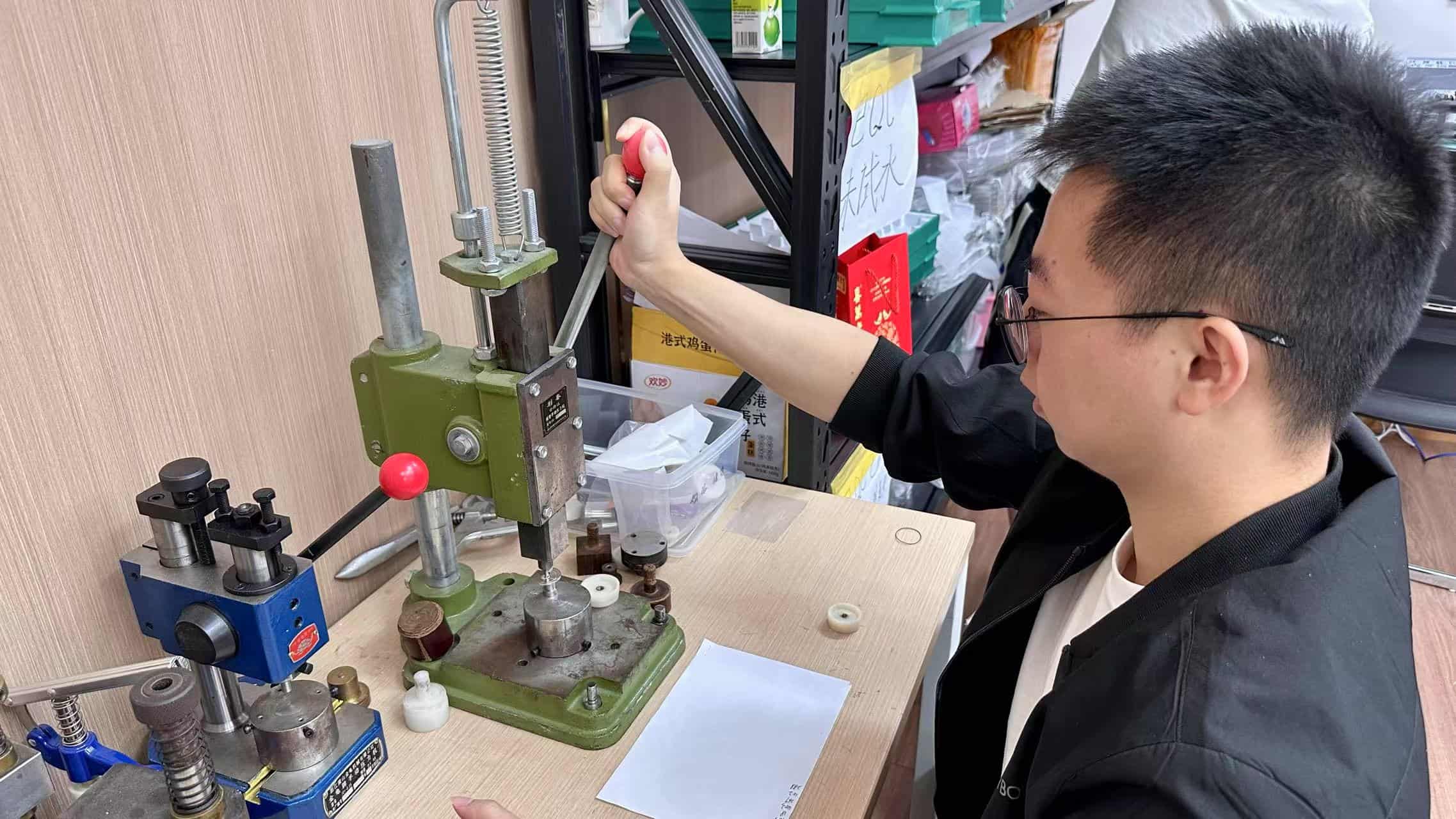
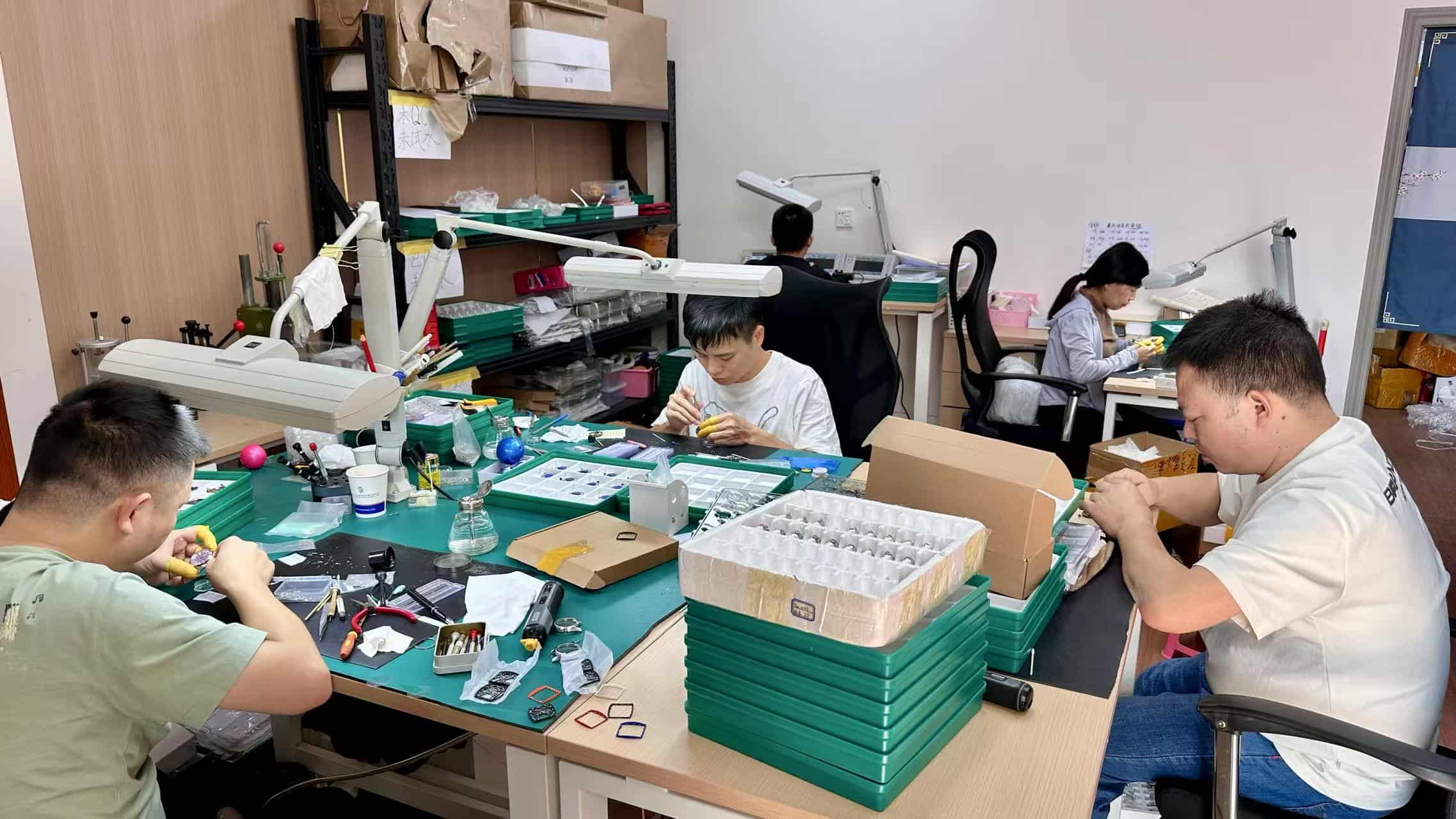
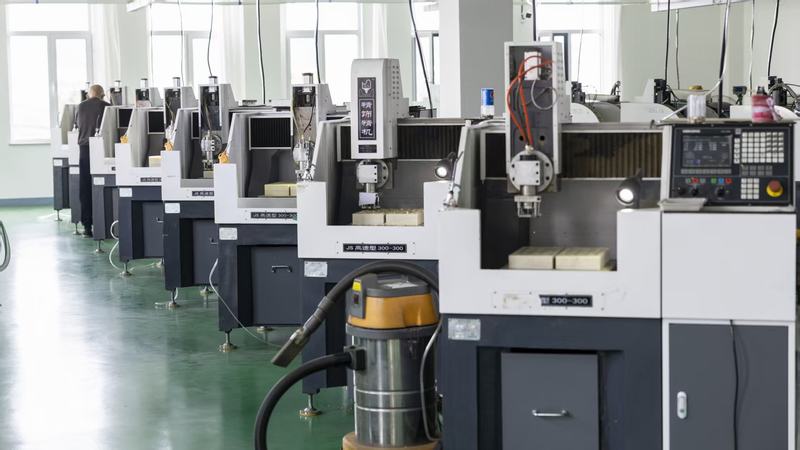
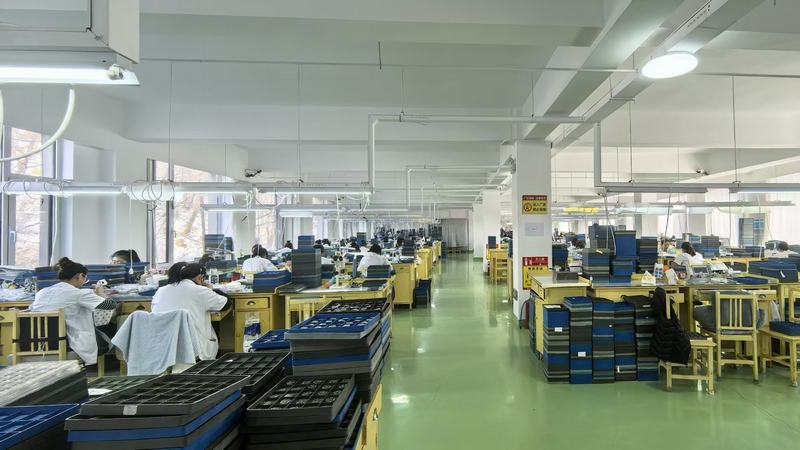
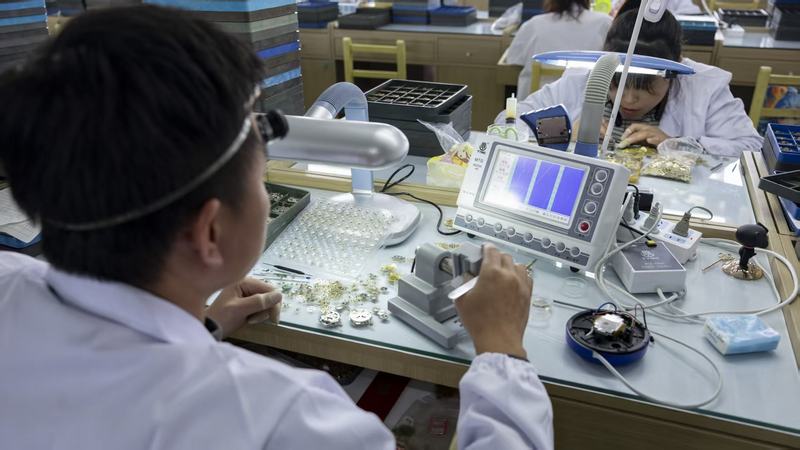
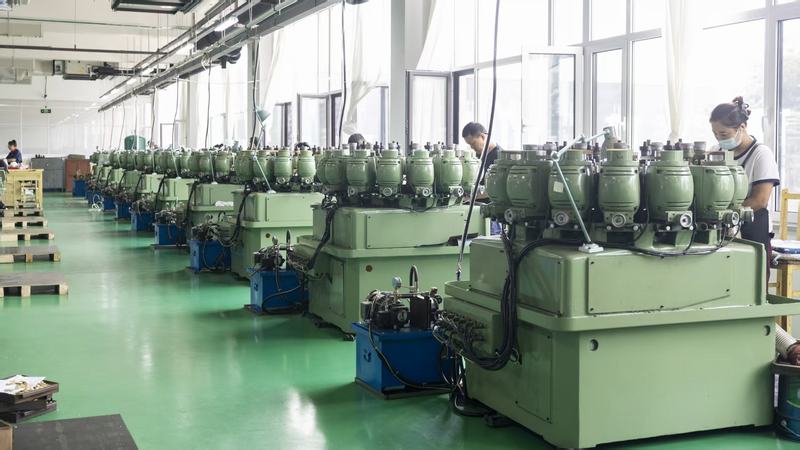
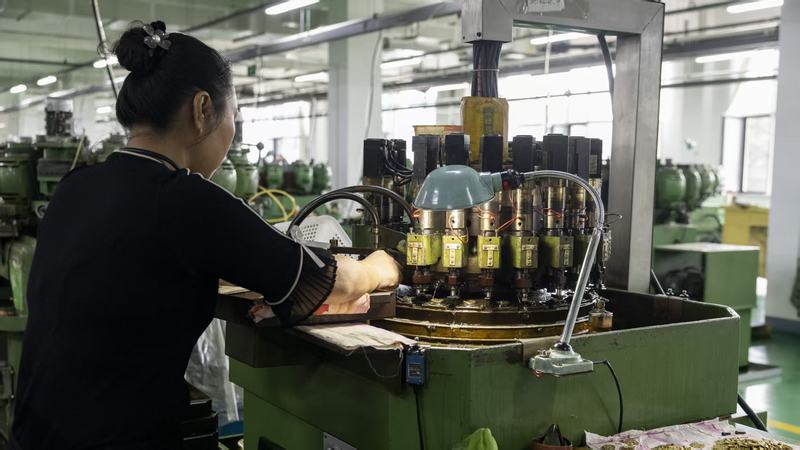
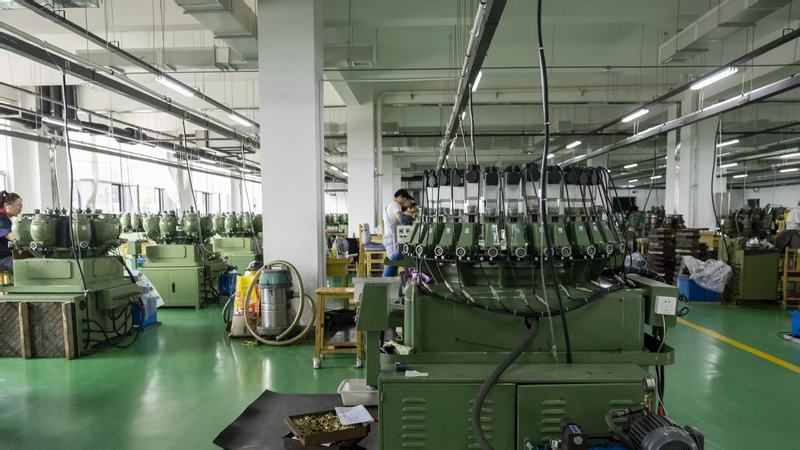
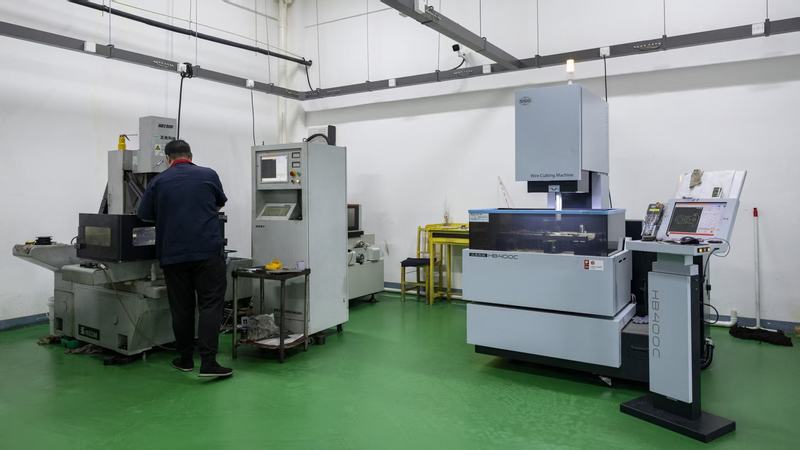
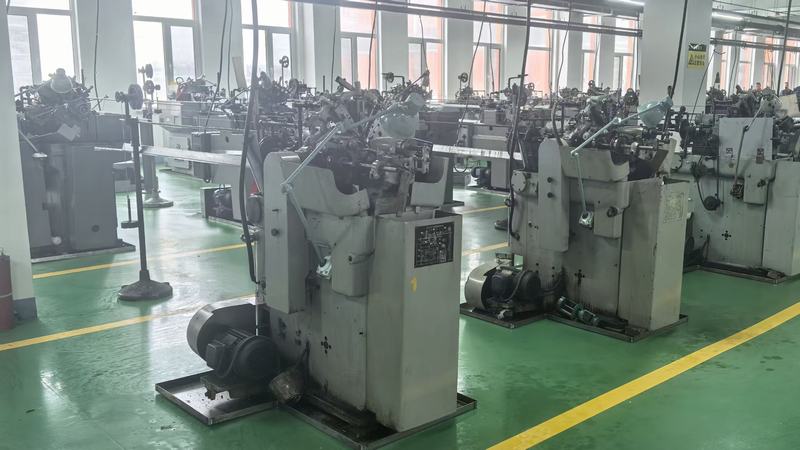
Our machining floor is structured to carry out multi-axis processing of base plates and complex structures:
Developing a bespoke watch dial face is an intricate process combining metallurgy, chemistry, and high-fidelity printing. For luxury brands seeking unique market positioning, Ciso offers extensive ODM/OEM capabilities.
We manufacture faceted indices in 3D using hydraulic stamping. These are hand-applied to the dial face via miniature pins, then locked in place below the dial plate for maximum stability.
Physical Vapor Deposition (PVD) allows us to apply micro-layers of titanium nitride, gold, or custom alloys to achieve Deep Blue, Charcoal Gray, and Champagne Gold finishes that won't fade.
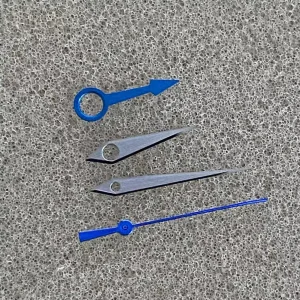
We utilize automatic oil dispensers and skilled manual operators to apply Swiss Super-LumiNova (C1, C3, BGW9) to indices and hands, ensuring optimum night visibility.
Watch dials are produced in a variety of materials depending on their design requirements:
As watch manufacturing evolves, Ciso is updating its manufacturing capacity to stay at the cutting edge of modern watch trends. Our technical roadmap covers three areas:
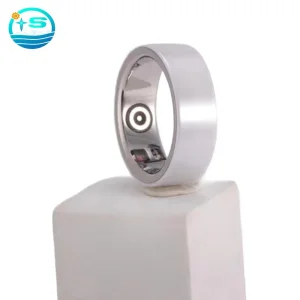
The rise of hybrid smartwatches has bridged the gap between traditional dial aesthetics and digital screens. We now produce composite dials that incorporate ultra-thin sapphire windows, solar cell substrates, or laser-drilled openings that allow micro-LED displays to show through while maintaining a classic look.
In line with evolving RoHS and REACH guidelines, we are reducing our dependence on traditional cyanide-based electroplating. By upgrading our PVD (Physical Vapor Deposition) chambers and adopting eco-friendly sputtering technologies, we can produce vibrant colors with zero hazardous runoff.
While traditional rose-engine lathes remain the gold standard for haute horlogerie, high-precision laser ablation allows us to replicate complex Guilloché, tapisserie, and sunburst patterns on stainless steel and brass dials with extreme repeatability and lower tooling costs.
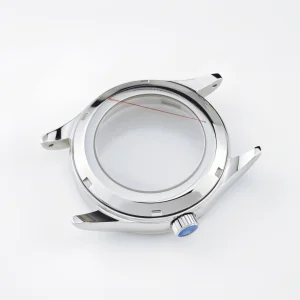
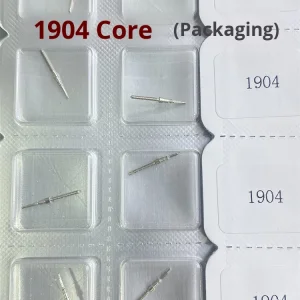
Explore additional technical watchmaking hardware, from custom crowns and micro-screws to durable watch cases and connection adapters.