Ciso Tool
Ciso Tool
Ciso Tool
Featured premium components and specialized tools engineered for Canadian micro-brands and restoration specialists.
In the global horological manufacturing supply chain, the watch spring bar is often overlooked, yet it remains the single point of failure that keeps a multi-thousand-dollar timepiece or an essential smart wearable secured to the wearer's wrist. For Canadian horologists, importers, and brand owners, sourcing high-grade spring bars is not merely a matter of buying fasteners; it is a critical process involving strict metallurgy, micro-tolerance control, and environmental resilience engineering.
As Canada's domestic micro-brand watch community expands across design hubs like Toronto, Vancouver, and Montreal, and as smart-wearable developers seek robust locking mechanisms for outdoor devices, the demand for premium-grade marine-level components has surged. This paper acts as an authoritative B2B guide for Canadian procurement managers navigating watch spring bar sourcing, highlighting manufacturing capabilities, material science, and key supply chain logistics.
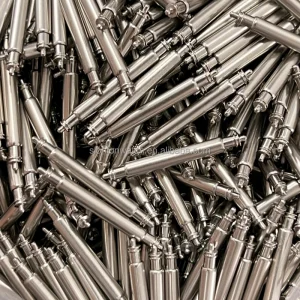
Specially manufactured with 304L and 316L stainless steels, providing essential resistance to sweat, coastal salt spray, and extreme Canadian winter temperatures.
Maintained via high-speed CAM automatic lathes to ensure dynamic barrel diameters and pivot pin sizing within ±0.01mm bounds.
Internal high-tension spring elements configured to survive more than 10,000 compression cycles without losing spring rate capacity.
Canada's watch industry has shifted from a traditional retail network toward active localized design, micro-brand assembly, and specialization in extreme-use tool watches. Brands that produce watches for diving, aviation, or search-and-rescue teams require components that can withstand demanding physical environments. In parallel, the medical and enterprise wearable sector in Canada requires reliable quick-release mechanisms that allow users to wash straps frequently to maintain hygienic standards.
Globally, watch spring bar manufacturing is centered around specialized metal-working hubs. While Swiss manufacturers serve ultra-high-end luxury brands (often producing gold or platinum spring bars), modern industrial factories in Dongguan, China provide the high consistency, volume capabilities, and technical grade alloys required by the broader watchmaking industry. By partnering with advanced Chinese precision factories, Canadian distributors and brands secure access to critical design configurations like flangeless, double-flanged, and quick-release spring bars at realistic wholesale price tiers.
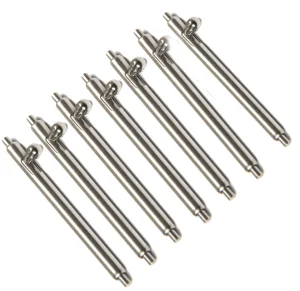
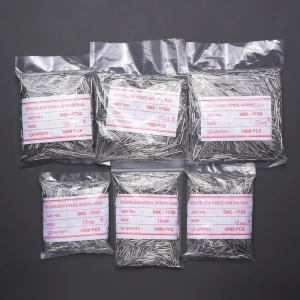
Industrial bulk selections engineered for smart-watch integration, aftermarket strap customization, and multi-platform hardware compatibility.
Founded in 2006, Dongguan Ciso Tool Co., Ltd. is a specialized manufacturer focused on the research, development, and production of mid-to-high-end precision watch components and complete horological hardware solutions. Over more than 15 years, Ciso has grown from a specialized tooling workshop into a modern, integrated manufacturing enterprise with in-house capabilities covering technical design, precision metallurgy, micro-CNC turning, and automated assembly.
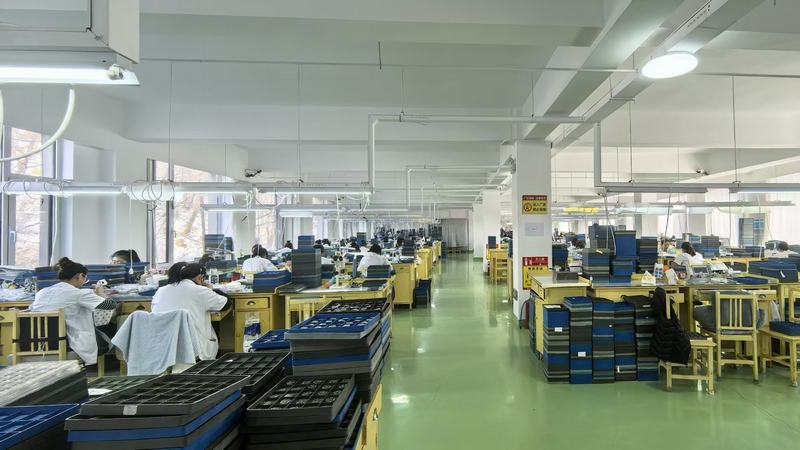
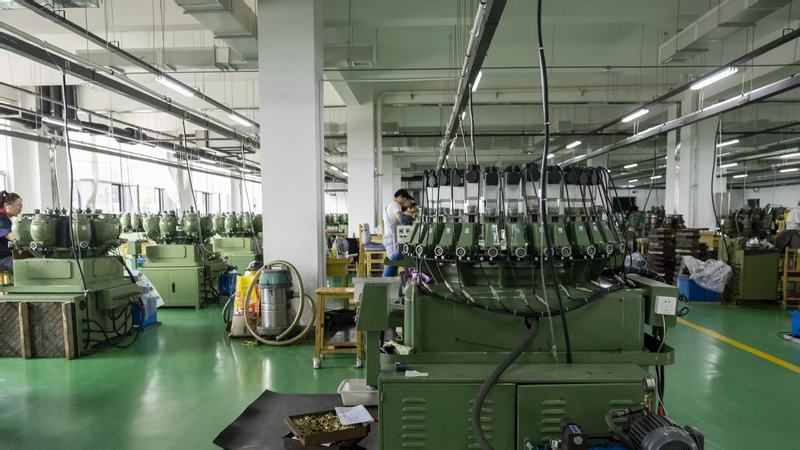
The company operates an independent industrial facility covering over 20,000 square meters and employs more than 500 skilled staff members. This workforce includes a dedicated R&D engineering team of over 60 professionals focused on refining micro-tolerances, developing custom alloys, and designing ergonomic quick-release mechanisms. With modern production equipment, strict quality control systems, and experienced technical staff, Ciso delivers high-precision, high-consistency products for watch brands globally.
| Manufacturing Dimension | Ciso Factory Standard Specifications | Benefit for Canadian Importers |
|---|---|---|
| Base Alloys Utilized | SUS304L, SUS316L, and Titanium Grade 5 (Custom orders) | Guaranteed corrosion resistance in cold, humid maritime climates. |
| Dimensional Tolerance | Controlled strictly within ±0.01 mm | Eliminates lug-play and avoids pivot shear-off in luxury cases. |
| Spring Cycle Durability | Tested to 10,000+ compressions under calibrated mechanical loads | Reduces returns and product failures for watch strap micro-brands. |
| Finish Options | Natural steel satin, high-polish mirror finish, PVD Black, and Gold | Aesthetic matching for high-end PVD-coated steel and gold cases. |
By focusing on the R&D and manufacturing of premium watch accessories—including dials, cases, straps, buckles, and precious metal components such as 18K gold parts and jewelry fittings—Ciso offers full ODM and OEM support. Our services cover the complete product cycle from initial concept design and fast prototyping to mass production and quality assembly. This end-to-end control ensures that every batch of spring bars maintains consistent tolerances.
Watch components in Canada face demanding physical conditions. Watches worn outdoors are exposed to temperatures ranging from sub-zero winters to hot summers, alongside humidity and road salt. Under these conditions, lower-grade spring bars made of carbon steels or cheap alloys can suffer from galvanic corrosion, crevice corrosion, or spring fatigue.
Galvanic corrosion occurs when the spring bar is in contact with watch lugs of a different metal composition in the presence of moisture (like sweat or saltwater). Ciso addresses this issue by utilizing low-carbon SUS304L and SUS316L stainless steels. SUS316L, which contains molybdenum, offers high resistance to pitting and crevice corrosion caused by chloride ions. By supplying components with consistent metallurgy, Ciso helps Canadian watch brands maintain high quality standards and reduce product returns.
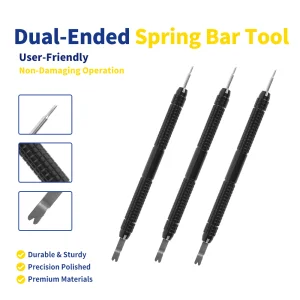
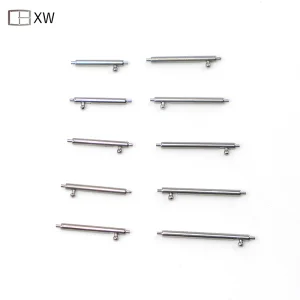
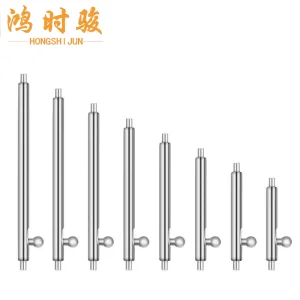
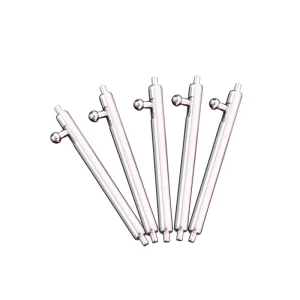
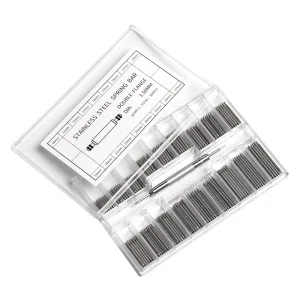
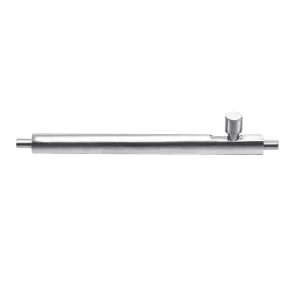
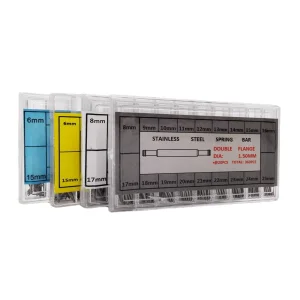
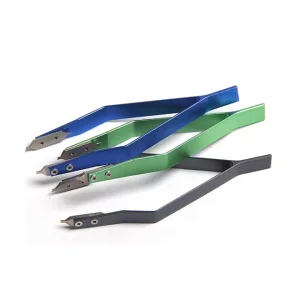
The core professional catalog: dual-flange, quick-release, flangeless, and specialized watchmaker tools designed for daily workshop demands.
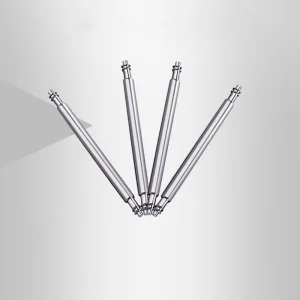
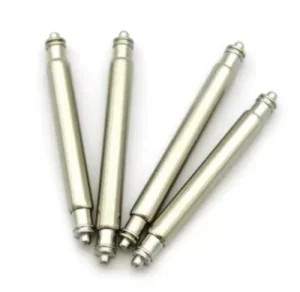
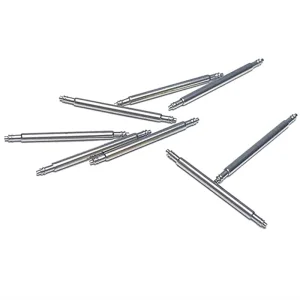
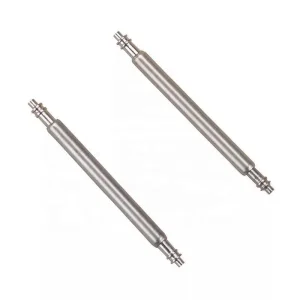
A spring bar consists of four key components: the central cylinder (body), two telescoping pivot pins (tips), and an internal compression spring. For watchmakers, understanding these components is essential to ensure a secure fit between the strap and the watch case.
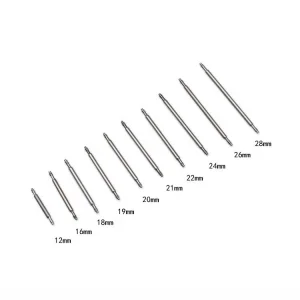
The thickness of a spring bar body affects its shear strength. Standard dress watches typically use a 1.5mm body, while sport, diver, and tactical watches often require 1.8mm to 2.5mm bodies. If a thin spring bar is fitted into a heavy watch case, the body can bend under load, which may eventually lead to pivot failure.
The ends of the spring bar must match the lug holes of the watch case. Standard designs include:
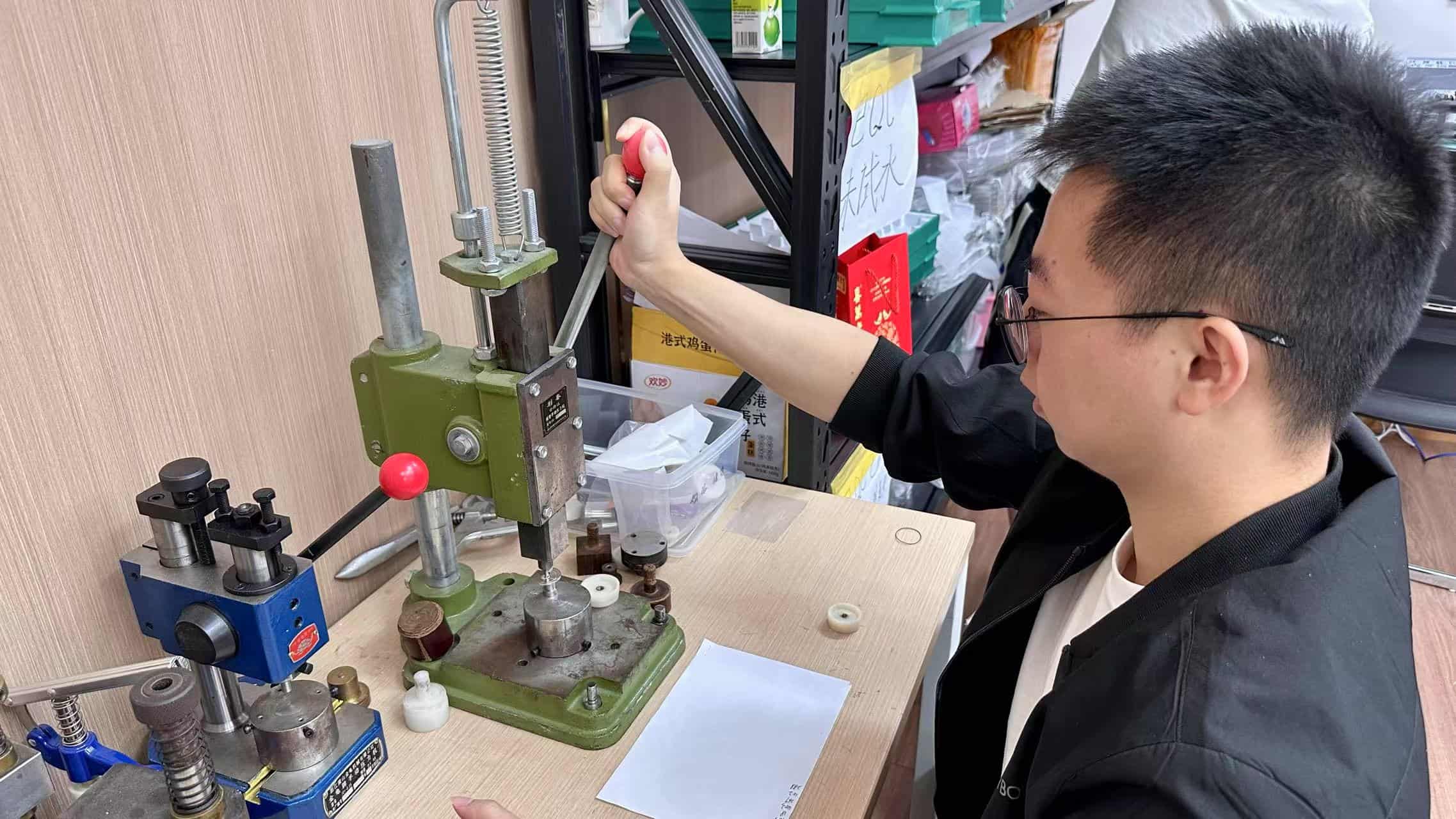
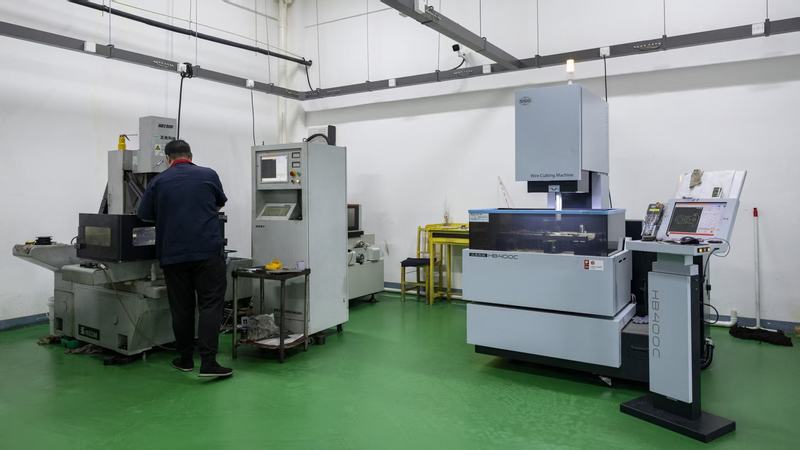
Dongguan Ciso Tool Co., Ltd. operates with a strong focus on quality and reliability. To meet international horology standards, the factory utilizes specialized equipment and testing methods throughout the manufacturing process.
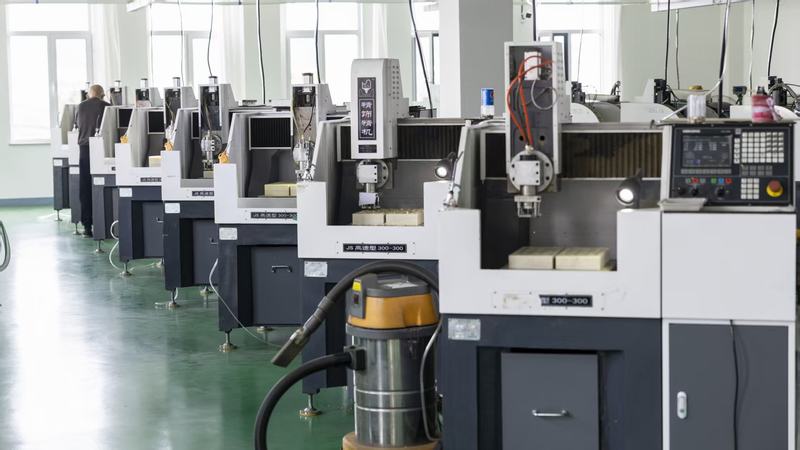
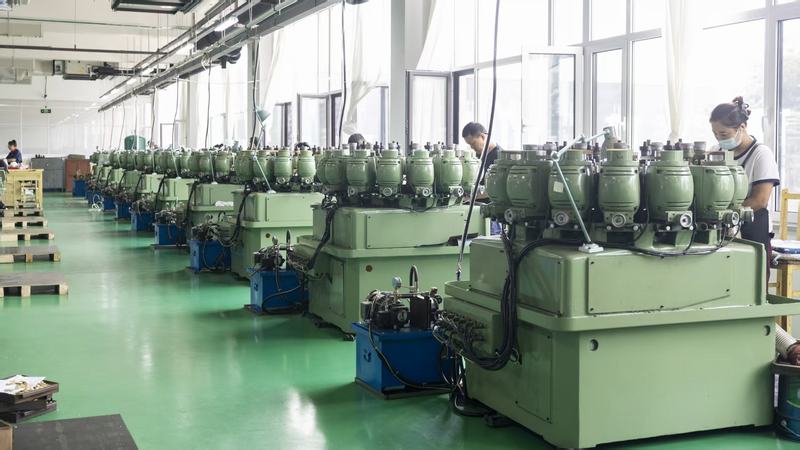
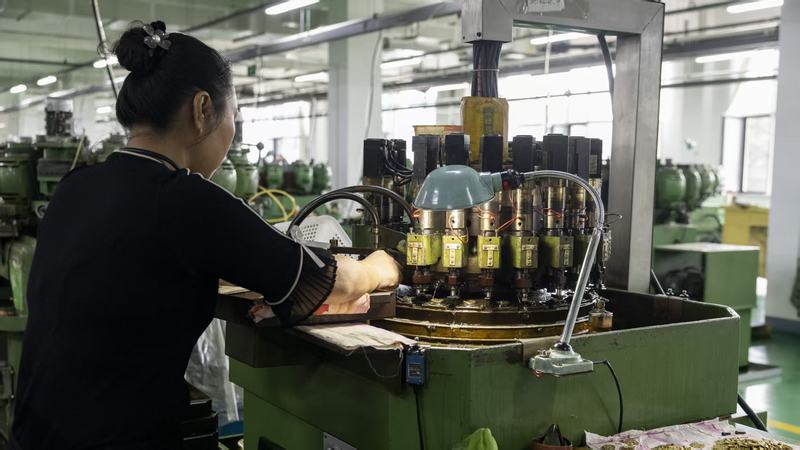
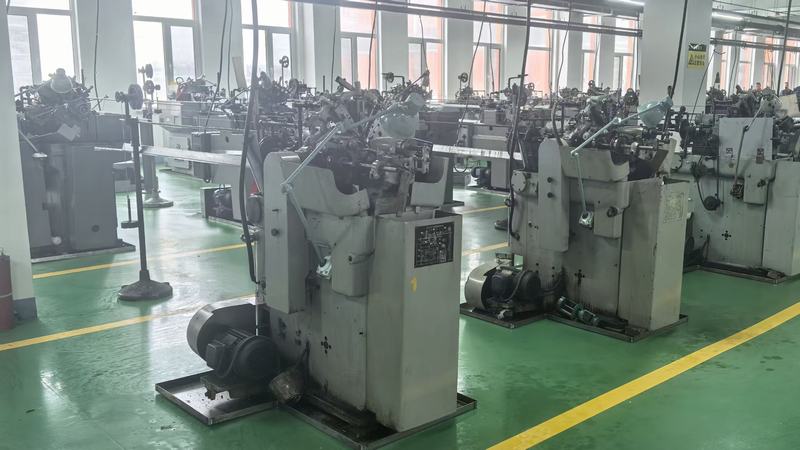
The manufacturing process begins with wire feedstock testing. We verify chemical composition using optical emission spectrometers to ensure the alloy matches specified carbon and molybdenum levels. The raw wire is then processed on high-speed CAM automatic lathes, where the main barrel and pivot tips are machined to tight tolerances.
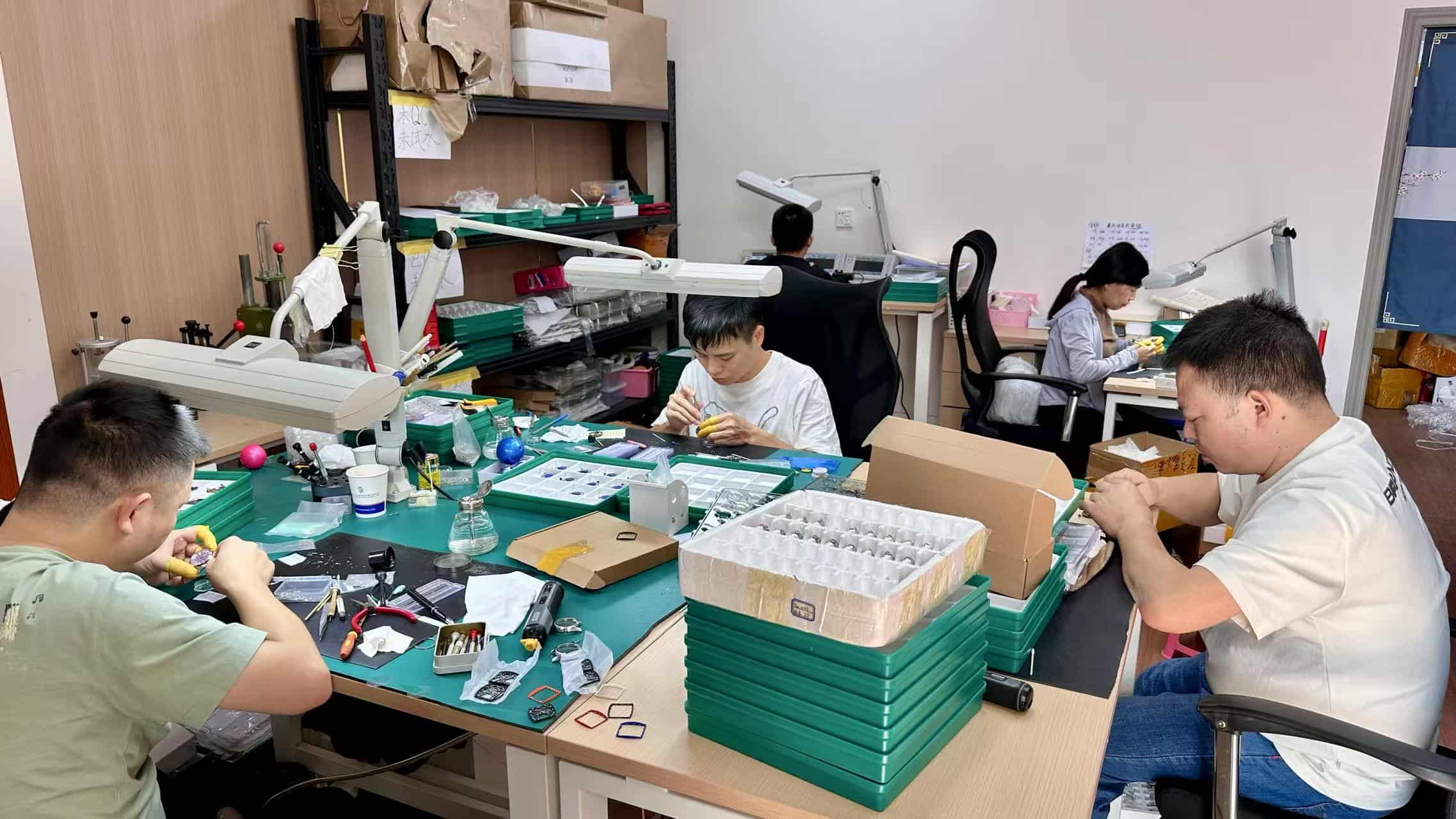
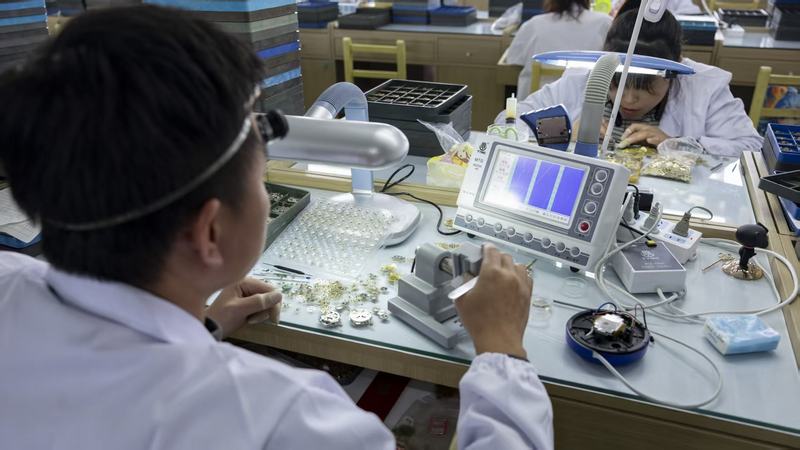
Following machining, the components undergo assembly. In our clean assembly areas, internal micro-springs are inserted into the barrels, and the pivot tips are locked in place. The finished spring bars then undergo quality control checks, including batch-testing for spring fatigue, salt-spray testing to verify corrosion resistance, and dimensional checks under optical comparators to confirm correct sizing.
Inside Ciso’s 20,000+ Sqm production line: showcasing the advanced machinery used to manufacture premium micro-components.
Expert technical answers regarding materials, sizing, custom orders, and logistics for Canadian buyers.
Contact our engineering team to request physical samples, discuss custom sizing, or receive a bulk quotation tailored for the Canadian market.
Send Inquiry Now